← Back to Mission Wild Kids

Moon world mission

Follow Flick the Fox

Moonlight spills across the forest edge, silver tracks cut through the frost, and one clever fox has slipped toward the wrong trail. Read the night, trust the quiet clues, and help Flick find the safe route before dawn.

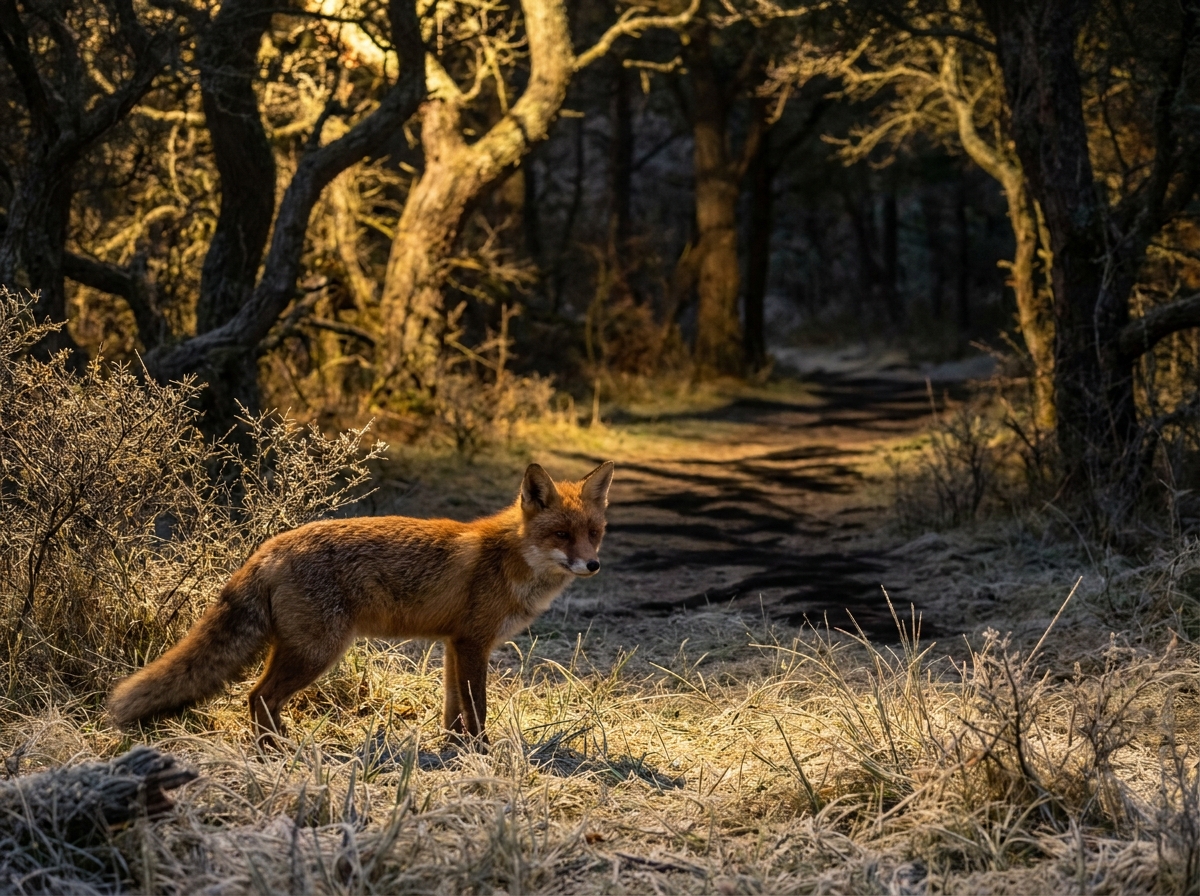
A young red fox moving along a moonlit forest edge with brush cover and frost.

Story setup

The night air is sharp and cold. Frost shines on the grass. Somewhere far off, an owl calls once and goes silent. Then you see a flash of orange at the edge of the trees, fast, low, and careful.

This is Flick, a young fox with quick feet and even quicker instincts. Tonight he is too close to the wrong trail, one that leads toward open ground, headlights, and danger instead of the safer route back through brush and shadow.

Your job is not to chase him through the dark. Your job is to read the forest edge, pick the trail that makes sense, and help Flick move back toward the cover that foxes trust most.

Mission score: 0/5
Start the mission
Mission tools Moonlight, soft tracks, brush cover, sound clues, and false-turn logic
Learning goal Understand nocturnal animal movement, edge habitats, and how predators use quiet cover to stay safe
Mission pressure Night visibility, frozen ground, road danger, and a fox that can vanish if you trust the wrong trail
Reward path Beat the false trail, unlock a stronger night-world win, and give older kids a smarter mission to crack
Start mission
A young red fox moving along a moonlit forest edge with brush cover and frost.
Flick trusts shadow, quiet, and the forest edge. You should too.

Rescue step 1

Read the first tracks

🌙

You find two sets of marks in the frost. One heads into open grass. The other hugs the brush line. Which path makes more sense for a fox at night?

What you learned

Foxes often use the edge between forest and field. Habitat edges give them both visibility and quick cover.

Rescue step 2

Trust the quiet clue

👂

You hear a rustle in the leaves to your right and, farther ahead, the low hum of a road where the open trail leads.

What you learned

Nocturnal animals use sound, cover, and quiet movement to survive. Human noise and road edges can become major risks.

Rescue step 3

Choose cover over speed

🦊

The trail now splits around a fallen log. One side is fast but open. The other winds through brambles and shadow.

What you learned

Predators and prey both use cover. Safe movement often depends on staying near the structures that break sight lines and provide quick escape.

Rescue step 4

Spot the safe den route

🌲

You find paw prints near a hollow log and a tunnel-like path under evergreen branches. The air is quieter here, and the road sound is fading.

What you learned

Foxes often use hidden paths, brush tunnels, and protected den areas. Good habitat gives them quiet movement and a place to disappear fast.

Rescue step 5

Finish without pressure

At last you see Flick pause beneath the fir branches. He turns once, ears high, then looks back toward the deeper woods where the safe den route disappears into shadow.

What you learned

Wildlife rescue often ends best when people step back. Quiet space can be the final tool that makes the safe decision possible.

Mission finished

Flick is safe

Flick glides through the fir shadows, disappears under the low branches, and vanishes into the deeper woods where the night belongs to quiet paws and sharp ears.

You helped Flick the Fox by trusting cover, reading the edge habitat, and keeping him away from the dangerous open route.

Badge unlocked Moon Trail Guide earned
Mission result

You solved this one by thinking like a night tracker, quiet clues, edge habitat, and no wasted movement.

What you learned

Foxes survive by using cover, edges, and fast quiet choices. Night rescue is about reducing pressure, not increasing it.
Discussion question

Which clue mattered more, the track line or the road noise, and why?

Come back tomorrow

Next best follow-up mission: Snow Leopard, if the kid wants a harder version of the same clue-versus-pressure thinking.

What kids learned

  • Foxes often move along habitat edges where they can see and hide at the same time
  • Road edges are dangerous for wildlife, especially at night
  • Quiet clues like leaf rustle and track direction matter in the dark
  • Cover is often safer than speed alone
  • Helping wildlife often means keeping the pressure low and the route clear

Badges earned

  • Moon Trail Guide
  • Shadow Stepper
  • Night Logic Expert

Parent and teacher note

This mission teaches nocturnal movement, habitat edges, road danger, and the idea that cover can matter more than speed.

Skills practiced: evidence comparison, listening, route logic, and restraint under uncertainty.

Science concept: foxes often travel along brush edges and protected routes that give them both visibility and cover.

Classroom extension: ask students to compare the open route and the covered route, then write which one a fox would choose and why.